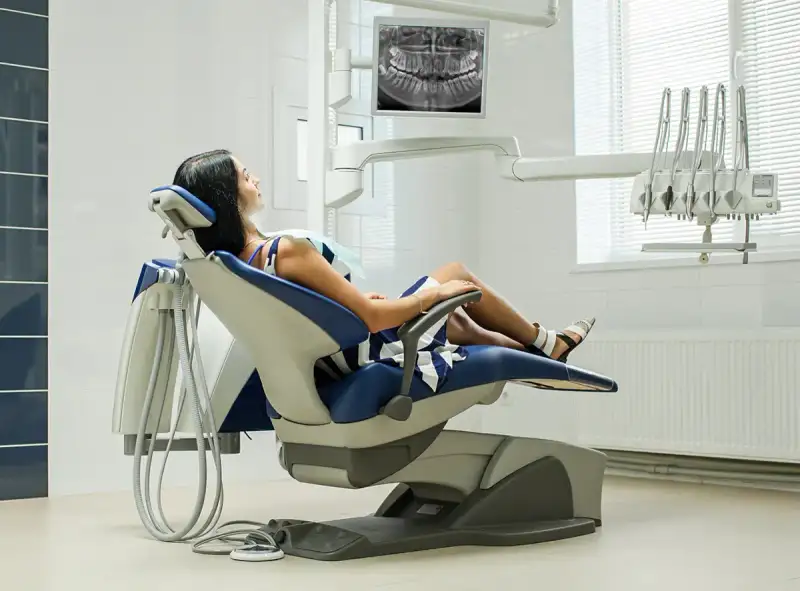

Finding a dentist is about more than choosing the closest office or the first name in a search result. The right dental team should help you feel comfortable, understand your options, and make informed decisions about your oral health.
For patients searching for a dentist in Mount Pleasant, TX, it helps to know what separates a welcoming, patient-focused practice from one that may not be the right fit. Office atmosphere, communication, available services, technology, financial transparency, and comfort options can all influence the experience.
Whether someone is new to the area, has postponed dental care, or simply wants a different approach, the following guide offers practical ways to evaluate a local dentist with confidence.
Dental information note: This article provides general educational information and does not diagnose dental conditions or replace an examination by a licensed dentist. Anyone with pain, swelling, an injury, or another dental concern should contact a qualified clinician for personalized guidance.
Start With the Kind of Dental Experience You Want
Every patient has different priorities. One person may want a conveniently located office for preventive visits, while another may be looking for help with dental anxiety, missing teeth, or the appearance of a smile.
Before comparing practices, consider what matters most:
- A calm, welcoming environment
- Clear explanations without overly technical language
- Preventive, restorative, and cosmetic options in one office
- Help managing dental anxiety
- Convenient appointment scheduling
- Insurance and payment guidance
- Modern diagnostic and treatment technology
- A team that welcomes questions
Knowing these priorities makes it easier to ask useful questions. It also helps patients recognize when a practice feels like a good long-term match rather than simply a place to complete one procedure.
Look for Clear, Respectful Communication
Good communication is one of the most important qualities in a dental office. Patients should feel comfortable asking what the dentist sees, why treatment may be recommended, and whether there are reasonable alternatives.
A patient-centered dental team should be willing to explain:
- What an examination or dental image shows
- Which concerns need attention now and which can be monitored
- The purpose of a proposed treatment
- Potential benefits, limitations, and relevant risks
- What the appointment may feel like
- What follow-up care may be needed
- Expected fees and available payment arrangements
Patients do not need to become dental experts. They should, however, leave the office with a clear understanding of the recommended next step. A dentist who welcomes questions can make complicated decisions feel much more manageable.
Consider the Range of Services Available
Dental needs can change over time. A patient who needs only routine care today may later want to discuss a damaged tooth, tooth replacement, bite alignment, or cosmetic improvements.
When reviewing a dental practice, look at whether its services align with current and possible future needs. Common categories include:
Preventive care
Preventive appointments allow the dental team to evaluate the teeth, gums, bite, and other areas of the mouth. The team can also offer personalized guidance on brushing, flossing, diet, and home care based on what it observes.
Restorative care
Restorative dentistry addresses teeth that are decayed, cracked, worn, weakened, or missing. Because every situation is different, the appropriate option depends on an in-person evaluation and the patient’s overall oral health, preferences, and budget.
Cosmetic and alignment options
Some patients want to improve staining, spacing, tooth shape, or alignment. When considering cosmetic treatment or clear aligners, patients should ask what is included, how progress will be monitored, and whether any oral health concerns need attention first.
Tooth-replacement options
Patients with missing teeth may benefit from discussing several possible approaches rather than assuming there is only one solution. Dental implants may be an option for some people, but candidacy and treatment planning require a clinical evaluation.
Pleasant Smiles Dental describes its approach as comprehensive dentistry supported by modern technology and treatment options. Its website also highlights services such as dental implants, Invisalign clear aligners, and sedation dentistry. Availability does not mean every service is appropriate for every patient, so consultation and personalized planning remain important.
Ask How the Office Supports Patient Comfort
Dental anxiety is common, and there is no reason to feel embarrassed about it. Some patients are nervous because of a previous experience. Others dislike certain sounds or sensations, have a sensitive gag reflex, or feel uneasy when they are not sure what will happen next.
A comfort-focused dental team may help by:
- Explaining each part of the visit before beginning
- Agreeing on a hand signal when the patient needs a pause
- Checking comfort throughout treatment
- Using a gradual approach when appropriate
- Discussing available comfort or sedation options
Pleasant Smiles Dental states that it offers sedation and comfort dentistry for patients in Mount Pleasant and surrounding communities. Sedation is not automatically right for everyone. The dentist must consider the proposed procedure, medical history, medications, anxiety level, and other individual factors before making a recommendation.
Evaluate Technology Without Being Distracted by Buzzwords
Modern dental technology can support examination, planning, communication, and treatment. Still, patients do not need to choose an office based on equipment names alone.
Instead, ask how a particular technology helps. Does it allow the dentist to show the patient an area of concern? Does it help with planning or make part of the appointment more comfortable? Can the team explain the information in everyday language?
The best technology is useful when it supports thoughtful care and clear communication. It should complement the dentist’s clinical judgment rather than replace a careful examination or conversation.
Review Insurance, Costs, and Payment Policies
Financial uncertainty can add stress to dental care. Before treatment begins, patients should have an opportunity to review estimated fees and ask what their insurance may cover.
Helpful questions include:
- Does the office accept the patient’s dental insurance?
- Will the team help estimate insurance benefits?
- What portion may be due at the visit?
- Are payment options available?
- Does the estimate include all expected parts of treatment?
- Could the plan change after treatment begins?
Dental insurance is different from a guarantee of payment. Coverage, deductibles, annual limits, waiting periods, and exclusions vary by plan. A written estimate can improve clarity, but the insurance company ultimately determines benefits.
According to its new patient information, Pleasant Smiles Dental accepts most insurances and provides forms that patients can complete before their visit. Patients should still contact the office directly to confirm current network participation and benefits for their specific plan.
Pay Attention to the First-Visit Experience
A first appointment gives both the patient and dental team a chance to become acquainted. The exact visit will depend on the patient’s needs, symptoms, health history, and whether the appointment is for routine care or a specific concern.
Patients may be asked to provide:
- Medical and dental history
- A current medication list
- Information about allergies or previous reactions
- Dental insurance details
- Records or images from a previous dentist, if available
- A description of current concerns and treatment goals
Honesty is helpful, especially if it has been a long time since the last visit. Dental professionals need accurate information to plan care safely, not to judge past habits. Patients should also mention pregnancy, health changes, dental anxiety, or previous difficulties becoming numb.
At the end of the appointment, the patient should understand what was found, what may happen next, and whether another visit is recommended. If anything remains unclear, asking for a simpler explanation or written plan is entirely appropriate.
Know the Signs of a Patient-Focused Dental Practice
Credentials and clinical skill matter, but the overall experience also reveals a great deal about a practice. Positive signs include a team that listens carefully, answers questions respectfully, protects privacy, and avoids pressuring patients into immediate decisions when there is time to consider options.
Patients should feel that recommendations are connected to their actual needs and goals. When there are multiple reasonable approaches, the dentist should explain the differences so the patient can participate in the decision.
It is also reasonable to seek another opinion before extensive or elective treatment. A trustworthy dentist should understand that patients sometimes need more information before feeling ready to proceed.
Questions to Ask a Dentist in Mount Pleasant, TX
A brief phone call or consultation can answer many practical questions. Consider asking:
- Is the practice accepting new patients?
- What should a new patient bring to the first appointment?
- How does the office help nervous patients?
- Which services are completed in the office?
- How are treatment options and costs explained?
- Does the office accept the patient’s insurance plan?
- What is the process for a dental concern between scheduled visits?
- How can prior dental records be transferred?
The responses should feel clear, respectful, and helpful. Even the scheduling conversation can offer insight into how the practice communicates with patients.
Frequently Asked Questions
How often should someone visit the dentist?
There is no single schedule that fits every patient. A dentist can recommend an appropriate interval after considering oral health, gum condition, past dental concerns, home care, and other individual risk factors.
What if a patient has not visited a dentist in years?
The best next step is simply to schedule an evaluation and share any concerns honestly. A patient-focused team can begin with an examination, discuss priorities, and develop a manageable plan. Care does not need to feel like an all-at-once process.
Can a dentist help someone who feels anxious about treatment?
Yes, many dental offices use communication, breaks, comfort measures, and other accommodations to support anxious patients. Some practices also offer sedation dentistry. Patients should mention anxiety when scheduling so the team can discuss appropriate options before the visit.
How can a patient compare dental treatment costs?
Patients can request a written estimate that identifies the proposed procedures and expected insurance contribution. When comparing estimates, they should ask what is included, whether follow-up care is separate, and whether different treatment approaches are available. The least expensive option is not always equivalent to another plan.
What should someone do about a new dental problem?
The person should contact a dental office, describe what is happening, and ask how soon an evaluation is appropriate. Office staff can explain scheduling options, but a diagnosis generally requires assessment by a qualified clinician.
Choose Dental Care That Feels Comfortable and Clear
Choosing a dentist is a personal decision. The right practice should combine professional care with understandable explanations, respect for patient preferences, transparent financial conversations, and attention to comfort.
Pleasant Smiles Dental welcomes patients at 204 W. 19th St. in Mount Pleasant, TX. New and returning patients can contact the practice or call (903) 572-4141 to ask questions, discuss a dental concern, or request an appointment. A simple conversation can be the first step toward feeling more confident about dental care.